 Damilola Mariam
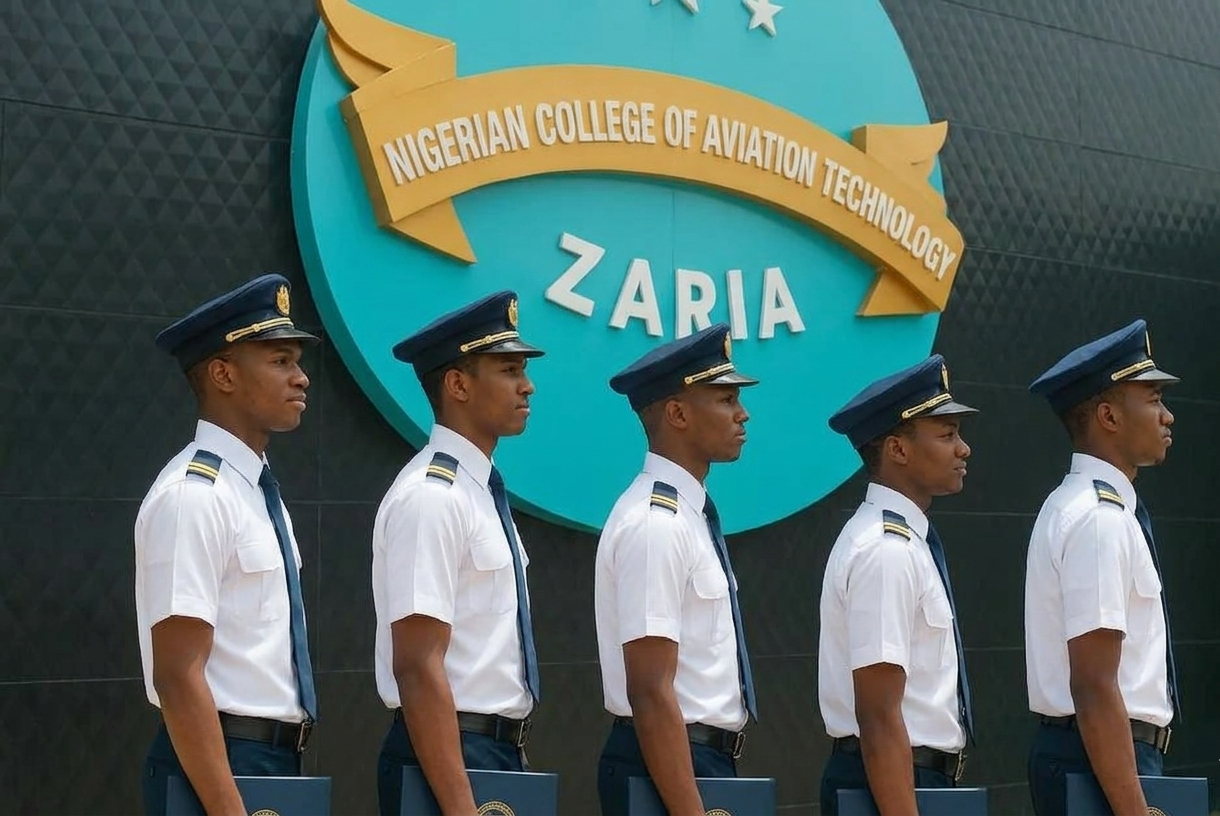
Hey there! Wondering what the NCAT School Fees for 2026/2027? You’ve come to the right place. The Nigerian College of Aviation Technology remains the most prestigious aviation training institution in Nigeria and one of the most recognized in Africa. For decades, it has produced pilots, air traffic controllers, aircraft engineers, and aviation professionals who now work across the globe.
But one question continues to dominate searches every year:
How much does it actually cost to study at NCAT Zaria?
The answer is not as straightforward as many expect. Unlike conventional universities, NCAT does not operate a flat tuition system. Instead, fees are structured based on specific aviation programs, many of which are highly specialized and equipment-intensive.
This guide breaks down the updated NCAT school fees for the 2026/2027 academic session, covering both new and returning students, with realistic figures, insights, and what most articles fail to explain.
Understanding How NCAT School Fees for 2026/2027 Work
Before diving into the numbers, it is important to understand a key fact.
NCAT is not a traditional university.
It operates as a professional aviation training institution, meaning you do not pay “school fees per semester” in the usual sense. Instead, you pay for:
- Specific training programs
- Course duration
- Equipment usage
- Simulator sessions
- Flight hours
This is why fees vary widely, from less than ₦100,000 for short technical courses to several millions of naira for pilot training.
For the 2026/2027 session, fees across all programs range roughly from ₦72,000 to over ₦7,500,000, depending on the course.
NCAT School Fees for Flying Courses (2026/2027)
Flying courses are the most expensive programs at NCAT because they involve aircraft usage, fuel, instructors, and simulation technology.
Here is a breakdown of the major flying programs and their estimated fees:
Standard Pilot Course
This is the flagship program for students who want to become professional pilots.
- Duration: 2 years
- Estimated Fee: ₦7,500,000
This course is considered the most comprehensive entry into aviation and includes both theoretical and practical flight training.
Private Pilot Licence (PPL)
This is usually the first step for aspiring pilots.
- Duration: 6 months
- Estimated Fee: ₦2,500,000
Commercial Pilot Licence (CPL)
This allows you to work and earn as a pilot.
- Duration: 6 months
- Estimated Fee: ₦2,500,000
Instrument Rating (IR)
This certification allows pilots to fly in low visibility conditions.
- Duration: 5 months
- Estimated Fee: ₦1,500,000
Multi-Engine Rating
This qualifies pilots to operate aircraft with more than one engine.
- Duration: 1 month
- Estimated Fee: ₦1,500,000
Night Rating
A short but essential certification.
- Duration: 1 week
- Estimated Fee: ₦600,000
These figures align with recent institutional data and industry estimates, showing that pilot training in Nigeria remains capital-intensive.
Related Articles:
- FULAFIA School Fees 2025/2026 Academic Session for New and Returning Students (Updated Guide)
- NSUK School Fees 2025/2026: Updated Fees for Freshers and Returning Students
Cabin Crew and Entry-Level Aviation Courses
Not everyone at NCAT is training to become a pilot. Some programs are designed for quicker entry into the aviation industry.
One of the most popular is:
Cabin Crew Initial Training
- Duration: 10 weeks
- Fee: ₦366,400
- Medicals: ₦50,000
- Excluding accommodation and meal ticket
This is significantly more affordable and attracts candidates looking to work as flight attendants.
Other related programs include:
- Cabin Crew Conversion Course
- Cabin Crew Recurrent Training
These are typically shorter and cost less.
Flight Operations and Dispatcher Courses
These programs train individuals who work behind the scenes in aviation operations.
Standard Flight Operations Course
- Duration: about 15 to 25 weeks
- Estimated Fee: ₦748,000
Dispatcher Currency Course
- Duration: 1 week
- Fee: ₦96,000
These roles are crucial because they support pilots with planning, logistics, and safety coordination.
Air Traffic and Engineering Courses
NCAT also trains highly technical professionals in air traffic services and aircraft maintenance.
Examples include:
Air Traffic Safety Electronic Personnel Course
- Duration: 12 weeks
- Fee: around ₦624,000
Area Control Course
- Fee: approximately ₦627,500
Aircraft Maintenance Engineering Programs
These are more advanced and may run for years.
- Estimated fees: ₦800,000 to over ₦1,000,000 depending on specialization
These programs are highly respected and often lead to long-term aviation careers.
NCAT School Fees for New Students (2026/2027)
For new students, the total cost goes beyond just tuition.
You should also budget for:
- Admission processing
- Medical examinations
- Study materials
- Accommodation and feeding (for some programs)
- Aviation gear and uniforms
For high-end programs like pilot training, total expenses can exceed ₦10 million when all factors are included.
For lower-cost programs, total expenses may stay below ₦1 million.
NCAT School Fees for Returning Students
Returning students typically pay continuation fees depending on:
- Course phase
- Additional certifications
- Simulator or flight hours
For example, a pilot in training may pay additional fees for:
- Extra flight hours
- Recurrent training
- Certification upgrades
This means returning students may not pay the same amount every year.
Why NCAT Fees Are Expensive
Many people are shocked when they first see NCAT fees, especially for pilot training.
But there are valid reasons behind the cost.
Aviation training requires:
- Aircraft maintenance
- Aviation fuel
- Licensed instructors
- Advanced simulators
- Safety compliance systems
Globally, pilot training is expensive, and Nigeria is no exception.
In fact, similar training abroad can cost significantly more.
Payment Method and Process
NCAT uses a structured payment system through government channels.
Payments are made via the Remita platform, where students:
- Generate a payment reference
- Pay through bank or online
- Submit proof of payment
This centralized system ensures transparency and accountability.
Important Things to Know Before Applying
There are several realities many applicants overlook.
First, admission into NCAT is competitive. You need strong academic qualifications, especially in science subjects.
Second, medical fitness is critical, particularly for pilot training.
Third, funding is often the biggest challenge. Many students rely on:
- Personal savings
- Family support
- Scholarships or sponsorships
Is NCAT Worth the Cost?
This is one of the most important questions.
The answer depends on your career goals.
If you are serious about aviation, NCAT offers:
- Industry-recognized certifications
- Practical training
- Strong employment prospects
Graduates often find opportunities in:
- Airlines
- Aviation agencies
- International organizations
Given its reputation and accreditation, NCAT remains a strong investment for aviation careers.
Career Opportunities After NCAT
Graduates of NCAT can pursue roles such as:
- Commercial Pilot
- Air Traffic Controller
- Aircraft Maintenance Engineer
- Flight Dispatcher
- Cabin Crew
These roles are not only respected but also financially rewarding over time.
Frequently Asked Questions
How much is NCAT school fees in 2026/2027?
Fees range from about ₦72,000 to over ₦7,500,000 depending on the course.
What is the cheapest course in NCAT?
Short technical or refresher courses can cost under ₦100,000.
What is the most expensive course?
Pilot training programs, especially the Standard Pilot Course.
Does NCAT offer accommodation?
Some programs include accommodation, while others require separate arrangements.
Conclusion
The Nigerian College of Aviation Technology continues to set the standard for aviation training in Nigeria. For the 2026/2027 academic session, school fees vary widely depending on your chosen path, but one thing is clear.
NCAT is not just an educational institution. It is a gateway into one of the most prestigious and global industries. If you approach it with the right mindset, preparation, and financial planning, it can completely transform your career trajectory.

 Francis


 Kikelomo Salman

 Damilola Mariam